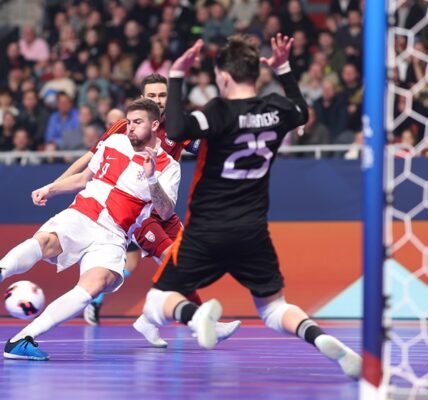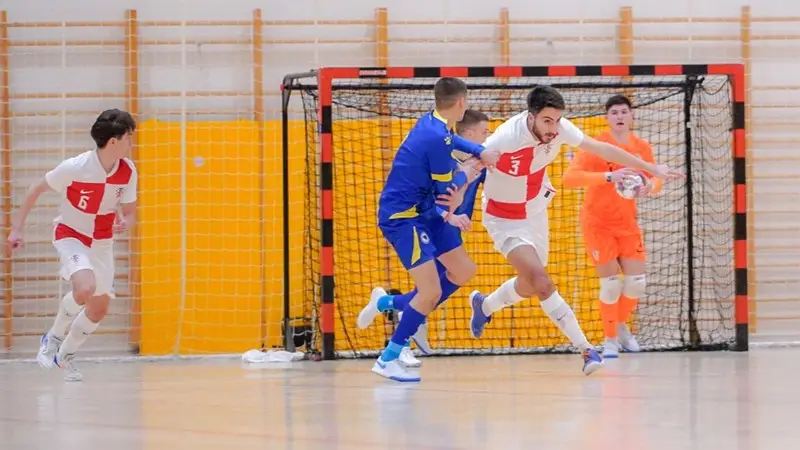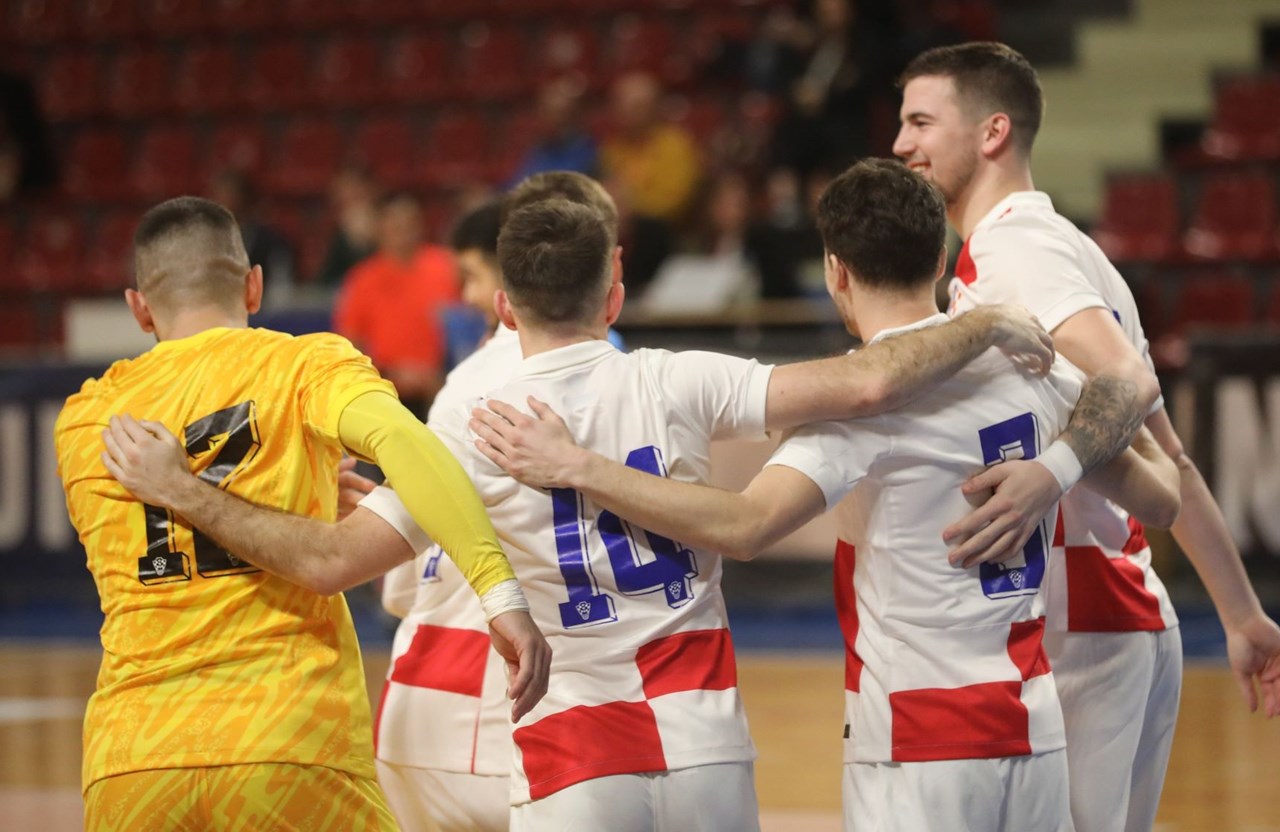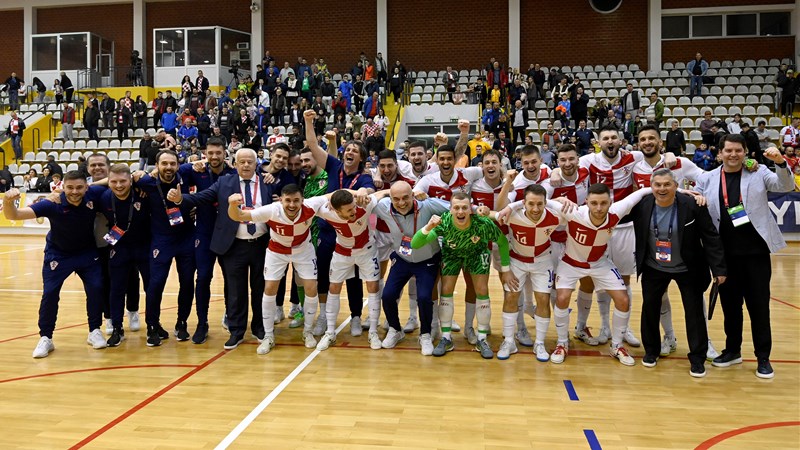

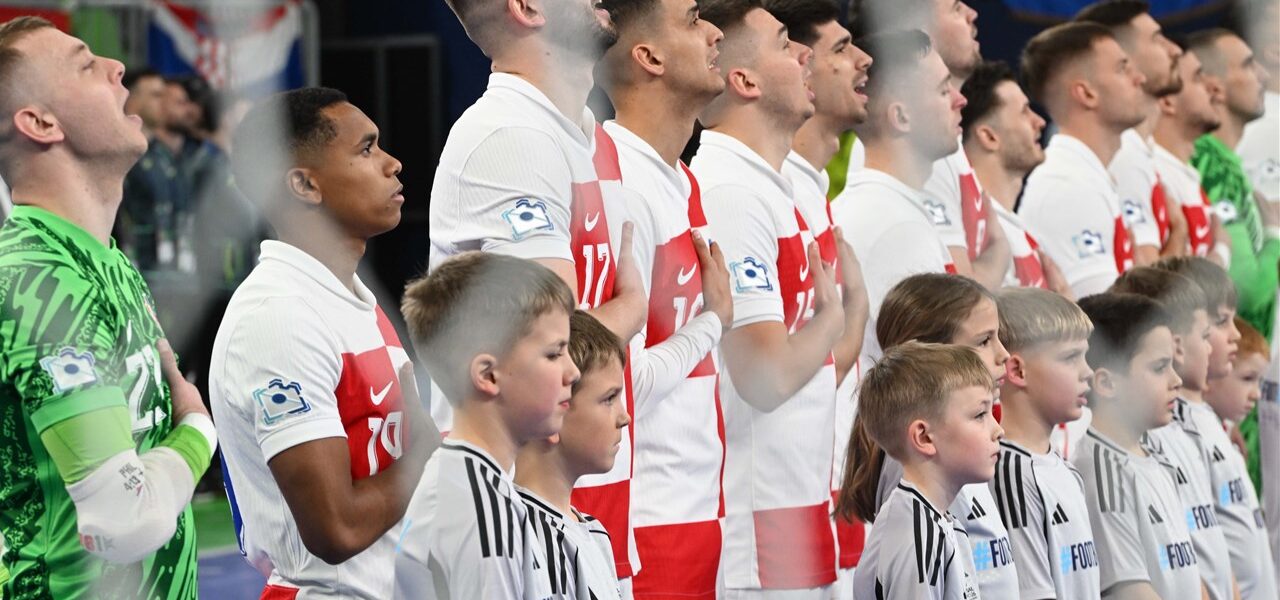

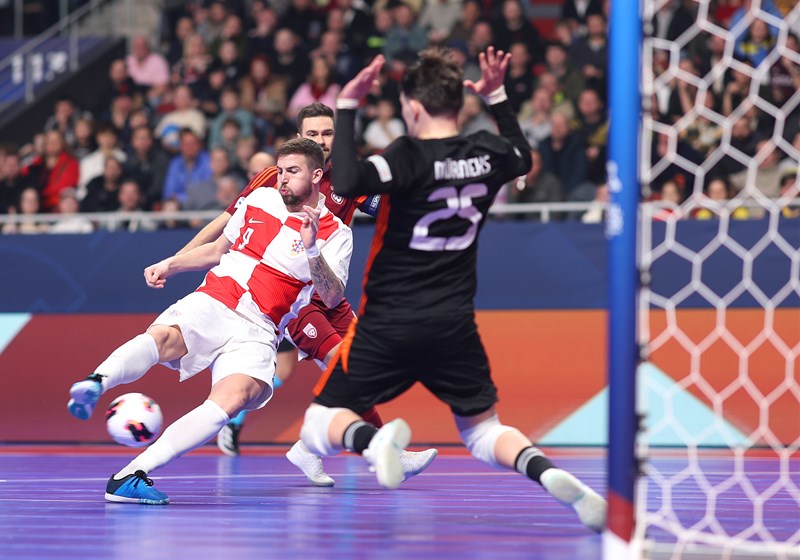
The UEFA Futsal EURO 2026 semi-final between the Croatian futsal national team and the Spanish futsal national team was played on 4 February 2026 at Arena Stožice (Ljubljana) in front of 6,456 spectators. Croatia lost 1–2, but remained in a genuine fight for extra time right up to the final seconds.
The match began at a fierce tempo: Spain threatened early from a set piece, and Antonio Pérez’s shot after about a minute and a half struck the frame of the goal (the ball rebounded after hitting Duje Kustura). Croatia responded quickly: Ante Piplica launched a quick goal-kick to send David Mataja “one-on-one,” but the finish lacked precision.
Croatia’s key issue in the first half was not the performance, but efficiency: Spain patiently searched for space, and when it found it, it scored.

For 0–1, Pablo Ramírez scored in the 13th minute after a pass from Adolfo, threading the ball through Piplica’s legs.
Croatia then had an excellent opportunity to get back into the game, but a shot (following the build-up involving Gudasić and Mataja) was blocked by Cecilio Morales. Soon after came the punishment: Miguel Mellado made it 0–2, assisted by Francisco Cortés.
An interesting detail from the Spanish perspective: Croatia accumulated a lot of fouls very early (five in the first 12 minutes), which naturally reduced the aggressiveness of their defending and opened more space for the Spaniards.
The shot count shows how consistently Spain threatened in the first half: 30 shots (10 on target) compared to Croatia’s 13 (4 on target). Croatia had “clean” chances, but Spain posed the greater danger over sustained phases.

After the break, Croatia set up more boldly, with higher pressure on the ball and quicker progression into the final third. Mataja had another big chance (26th minute), but Dídac Plana reacted brilliantly to preserve the lead.
As time ran down, head coach Marinko Mavrović went all or nothing: he called a time-out and switched the team to a goalkeeper-outfield player system (a flying goalkeeper), with captain Franco Jelovčić taking on an additional attacking role.
And that is when the endgame drama began.
Croatia pulled one back to 1–2 with three and a half minutes remaining: Kristian Čekol delivered a cross, and Spain’s captain Mario Rivillos awkwardly deflected the ball into his own net.
Just forty seconds later, the equaliser was in the air: Antonio Sekulić struck the frame of the goal (the crossbar), and the arena was left with that collective “ooh!” moment that so often separates finalists from the defeated.

In one sentence: Spain were more efficient when it mattered, and Croatia lacked the final touch in the crucial moments.
Spain made the most of two situations in the first half.
Croatia had its big chances (Mataja, the late pressure with the flying goalkeeper), but either they were missing by centimetres or Plana intervened.
Tactically, Croatia’s late “all-in” completely changed the match and forced Spain to defend “on the edge,” as Spanish sources also emphasised (they withstood the surge and the indirect threat created in the closing minutes).
After the match, UEFA named Ramírez as Player of the Match and highlighted Spain’s continuity at this tournament (another final added to their record) — but the impression remains: in the second half, Croatia made them “survive.”
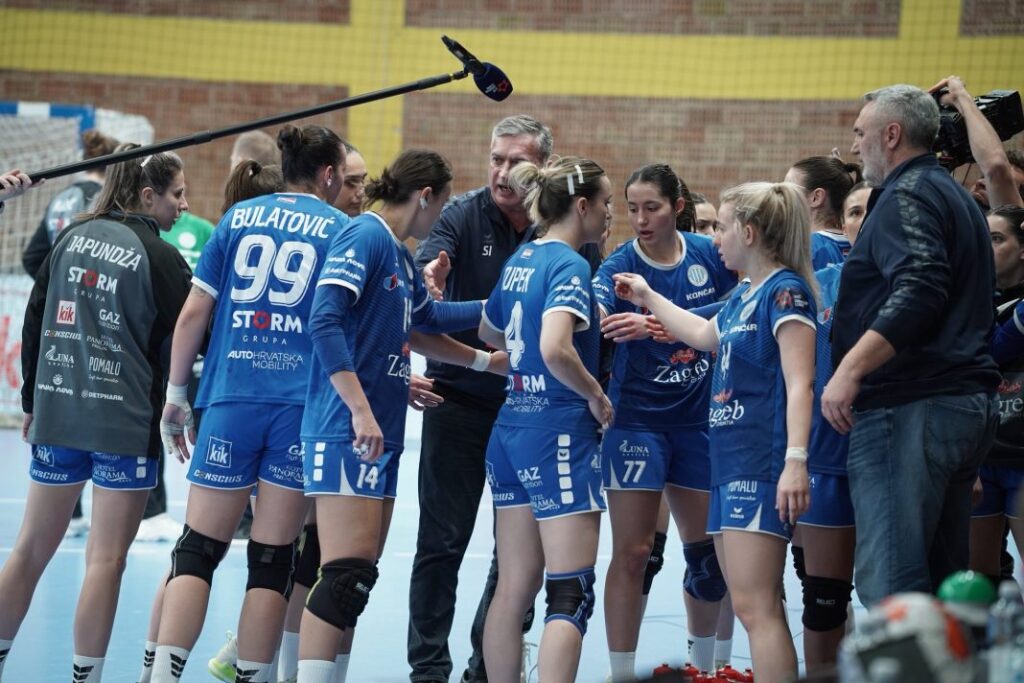
EHF EUROPEAN LEAGUE: LOKOMOTIVA LOSE, QUALIFICATION STILL UNCERTAIN
The women’s team of Lokomotiva Zagreb were defeated by Oldenburg (28:29) in the 5th round…
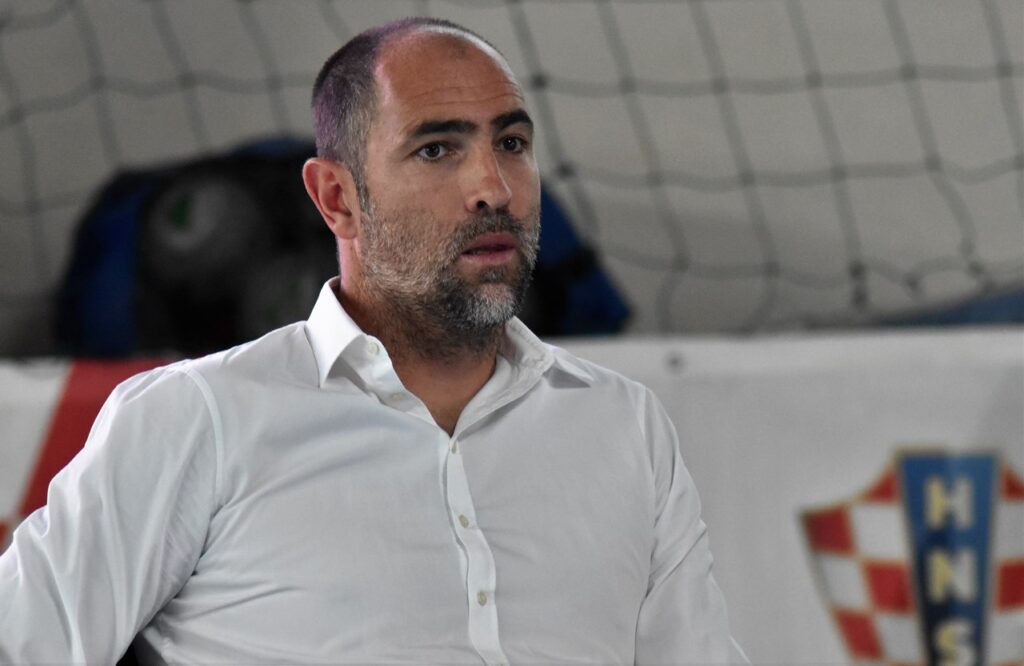
TUDOR ON TOTTENHAM BENCH: THE “FIRE-FIGHTER” GETS HIS TOUGHEST MISSION YET
Igor Tudor has taken over Tottenham at a moment when ambitions in north London are…
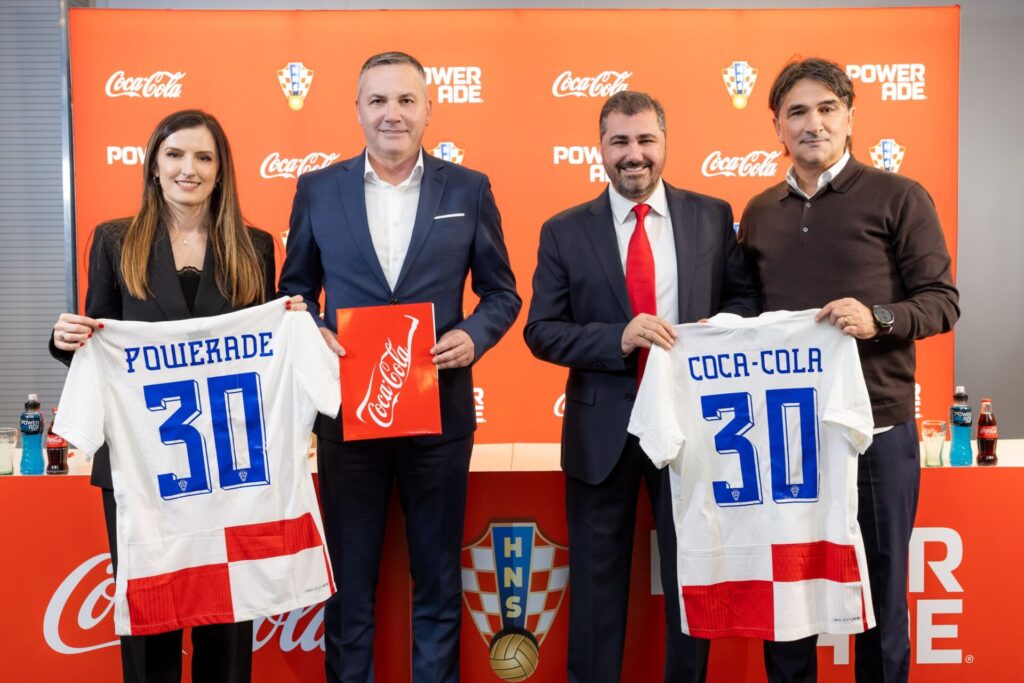
COCA-COLA NEW PARTNER OF THE CROATIAN FOOTBALL FEDERATION
One of the world’s most renowned brands becomes a partner of the Croatian national football…
SCHEDULE CONFIRMED FOR THE CROATIA’SNATIONS LEAGUE MATCHES
The schedule has been confirmed for the Croatian national football team’s matches in the fifth…
GOAL BY LUKA PERIĆ AGAINST LATVIA VOTED THE BEST AT THE EURO BY FANS
Croatian Football Federation reports that the goal scored by Luka Perić in the match against…
CROATIA DRAWN WITH SPAIN, ENGLAND AND THE CZECH REPUBLIC
The Croatia national football team will play in Group 3 of League A in the…