
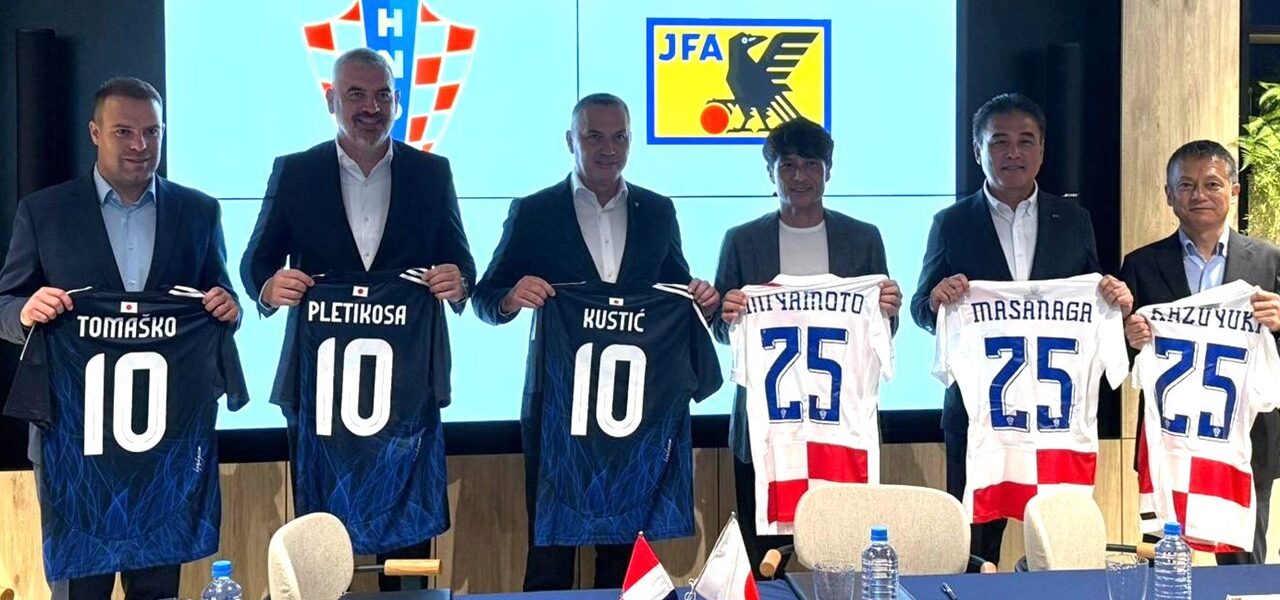

The Croatian Football Federation and the Japan Football Association have agreed on expanded cooperation by signing a Cooperation Agreement in Tokyo, opening a new chapter in relations between the two football powers. The agreement was signed at the JFA headquarters by presidents Marijan Kustić and Tsuneyasu Miyamoto, in the presence of high-ranking delegations from both federations.

Alongside president Kustić, the HNS delegation included the technical director of the senior and U-21 national teams, Stipe Pletikosa, as well as deputy general secretary Josip Tomaško. On the Japanese side, the meeting was attended by JFA president Miyamoto, general secretary Kazuyuki Kageyama, technical director Masanaga Kageyama and head of the international affairs department Yosuke Mihara. The formal welcome at the JFA House in itself showed how highly Japan values Croatian football and the results of the Vatreni on the world stage.
The Cooperation Agreement covers a wide range of areas and is conceived as a long-term platform for the exchange of knowledge and experience. The two federations will cooperate in organising friendly matches and various exchange programmes for all age categories, in both men’s and women’s football. The agreement also foresees coach exchanges, special educational camps, as well as referee exchange programmes, creating opportunities for Croatian and Japanese officiating teams to gain experience in different football cultures.
An important part of the deal concerns the administrative and organisational dimension of football. HNS and JFA plan a more intensive exchange of know-how in areas such as federation management, competition organisation, marketing, sponsorship, TV and media rights, and the operational organisation of matches. The aim is to create a framework in which both sides can learn from one another – Croatia from Japan’s model of systematic football development, and Japan from Croatia’s experience in building a top national team from a relatively small player base.
HNS president Marijan Kustić stressed that he sees Japan as one of the most successful associations in Asia, which has made a huge leap in football development since the early 1990s. He also pointed out that the Japanese national team is a regular participant at World Cups, and that the Vatreni saw first-hand in Qatar what a quality and characterful team Japan has. That is why, Kustić noted, he is particularly pleased that both federations will be able to benefit from intensified cooperation in all segments of the football system.
JFA president Tsuneyasu Miyamoto, in his address, described Croatia as a “world football phenomenon” – a country of four million people that has won three World Cup medals. He emphasised the great respect within Japanese football for Croatia’s achievements and football culture, and expressed his satisfaction that the cooperation will deepen through concrete projects in the interest of both federations and their national teams.
This Agreement fits into the broader strategy of the Japan Football Association, which in recent years has been entering into similar partnerships with numerous European federations and clubs, as well as into HNS’s efforts to internationalise the knowledge and experience gained through a series of major tournaments. The first fruits of the cooperation are expected to be seen soon through arrangements for friendly matches between youth teams and the organisation of coaching seminars in Croatia and Japan.
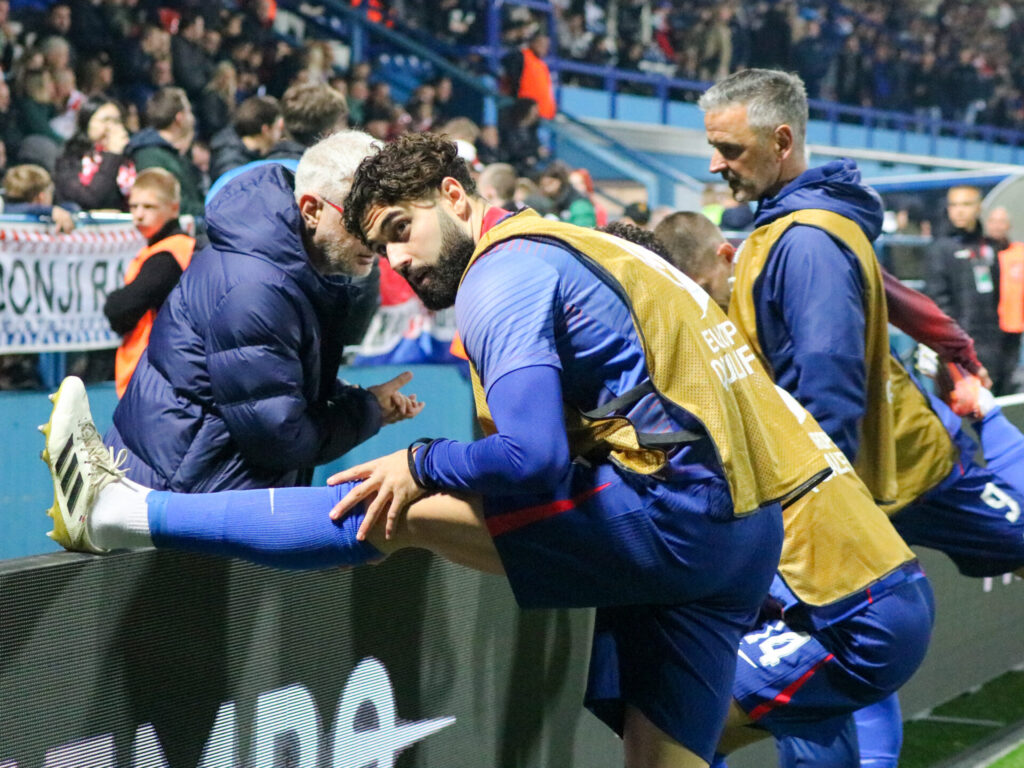
SERIOUS JOŠKO GVARDIOL INJURY: DALIĆ REACHED OUT, CITY CONFIRMED SURGERY, AND JOŠKO SENT A MESSAGE
Croatia international Joško Gvardiol suffered one of the most serious injuries of his career in…
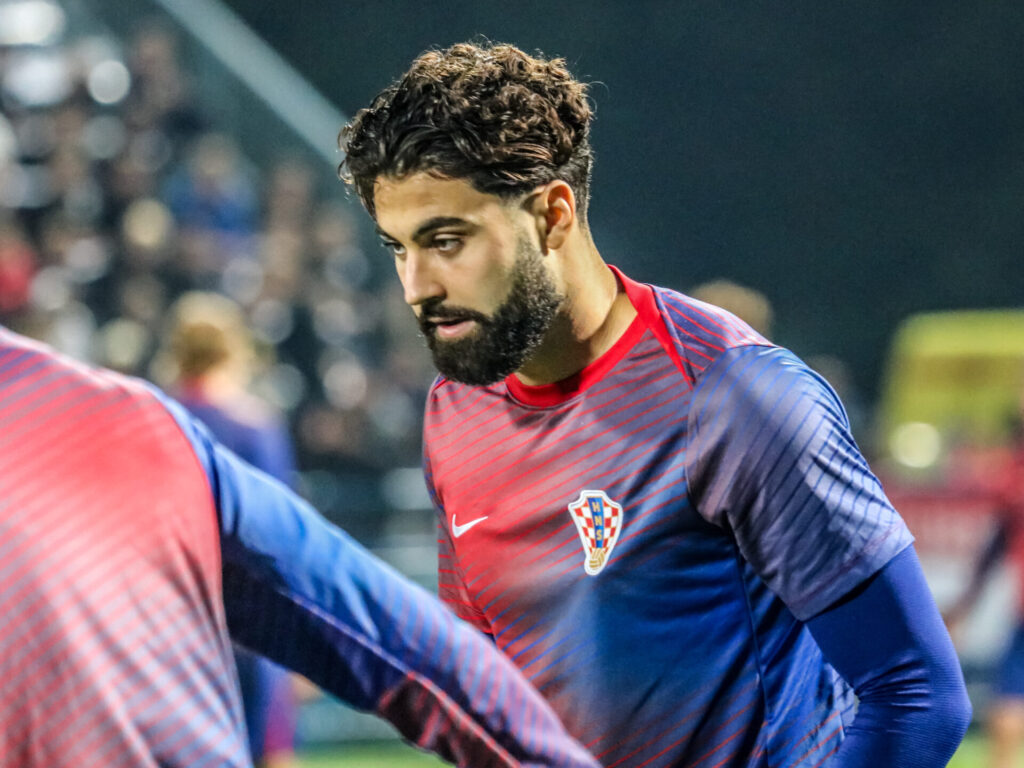
JOŠKO GVARDIOL INJURY: CONCERN FOR CITY, EVEN BIGGER FOR THE VATRENI AHEAD OF THE 2026 WORLD CUP
Croatian international Joško Gvardiol suffered a serious injury in Manchester City’s league derby against Chelsea,…
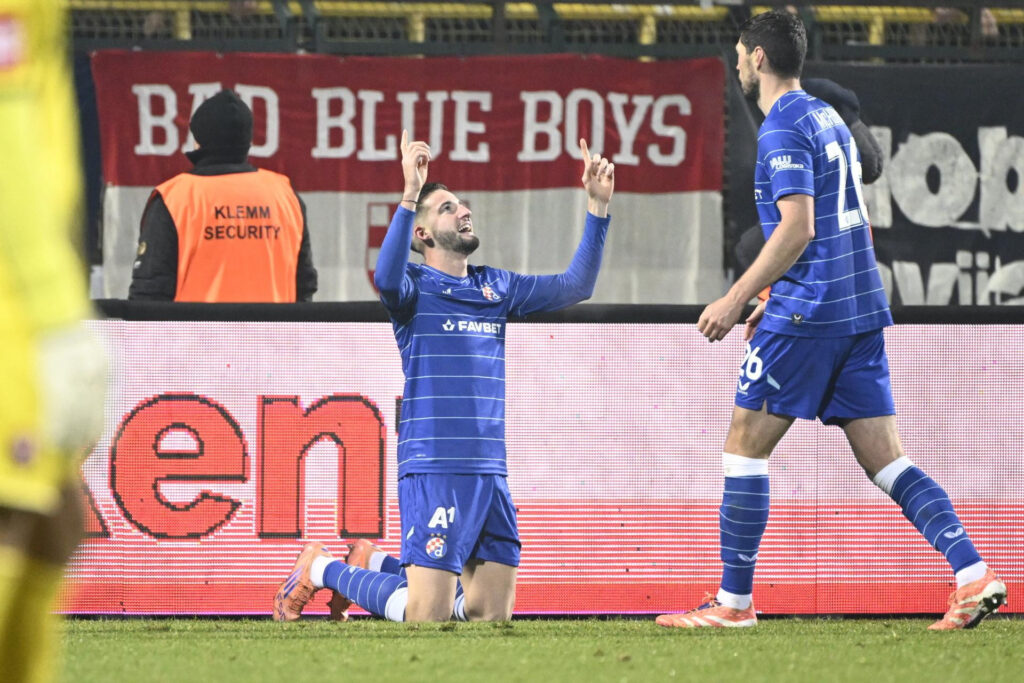
MILLION-EURO BID FOR SOLDO LANDS AT MAKSIMIR: SIGMA PUSH, DINAMO WANT MORE, AND THE PLAYER ISN’T RUSHING
Czech club Sigma Olomouc has continued its push in the Croatian market and, after signing Fabijan Krivak from Lokomotiva…
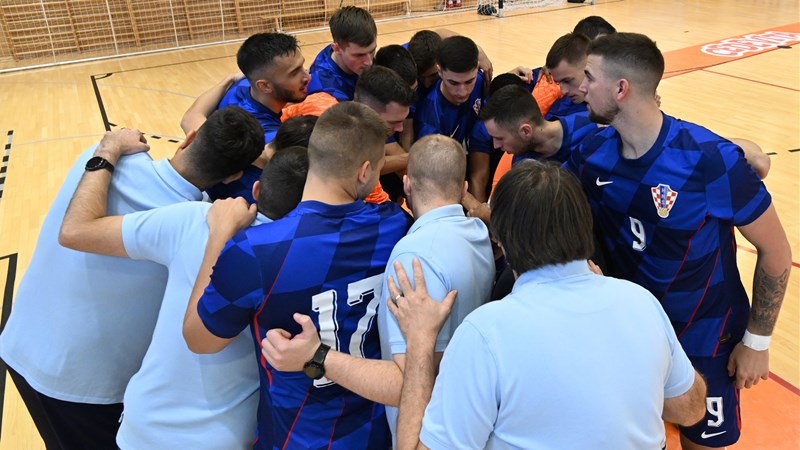
FINE-TUNING IN PRELOG: MAVROVIĆ NAMES THE SQUAD FOR THE FINAL EURO PREPARATIONS
Croatia futsal head coach Marinko Mavrović has announced the list of players called up for…
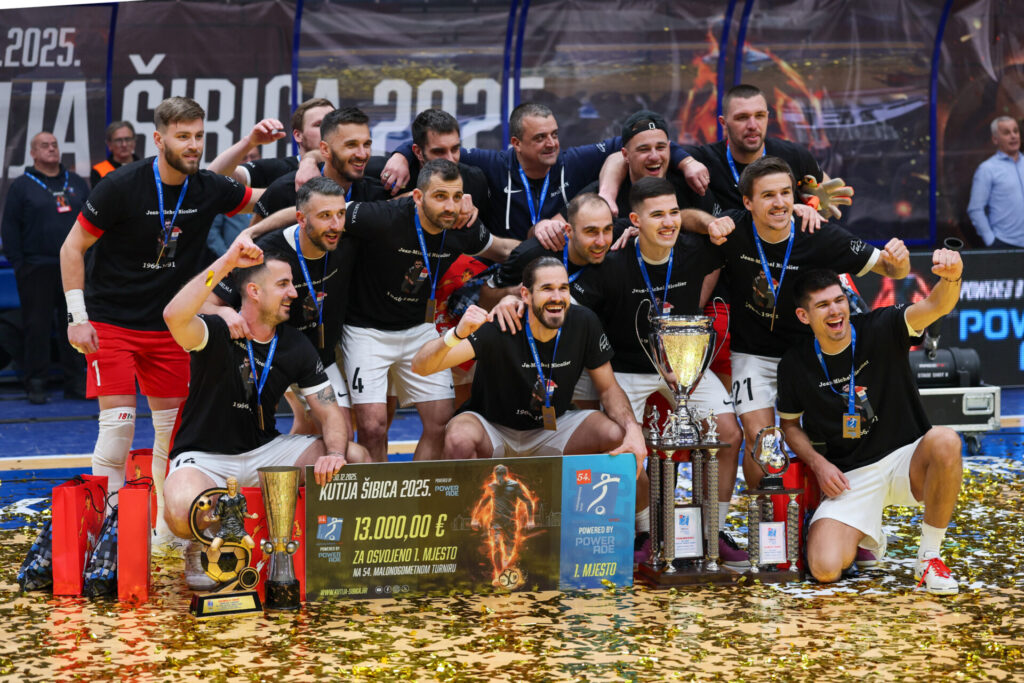
CB DOWNTOWN WIN THEIR FIRST “KUTIJA”: ONE SET PIECE, 40 MINUTES OF FIRE, AND A TITLE TO REMEMBER
In a packed Dražen Petrović Basketball Center, CB Downtown claimed its first-ever Kutija šibica crown,…
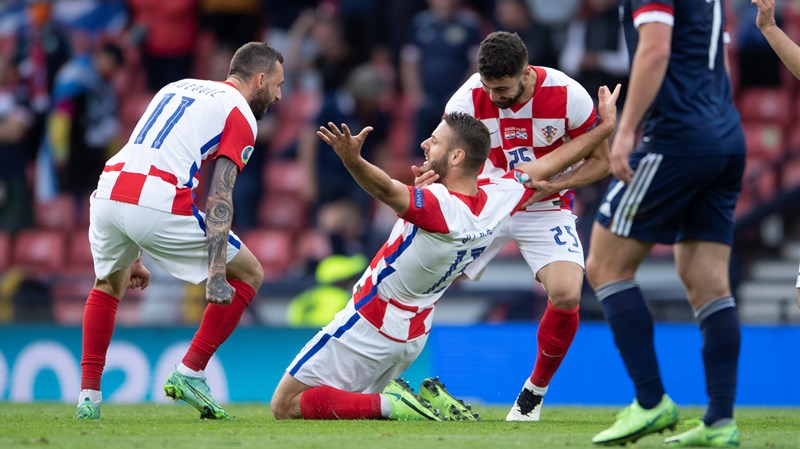
VLAŠIĆ EXTENDS HIS HOT STREAK, GVARDIOL SETS UP THE WINNER
Croatian internationals once again played key roles for their clubs: Nikola Vlašić scored for the…