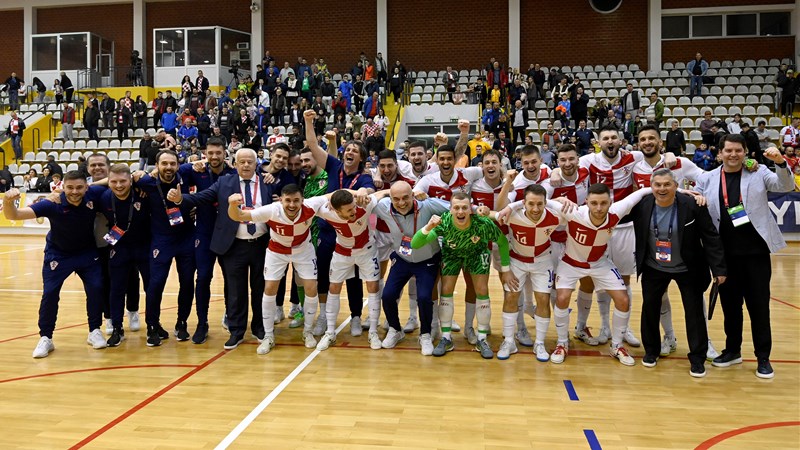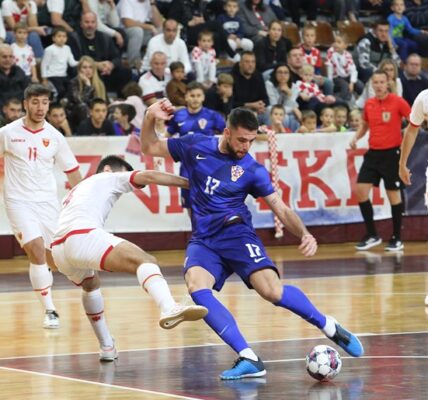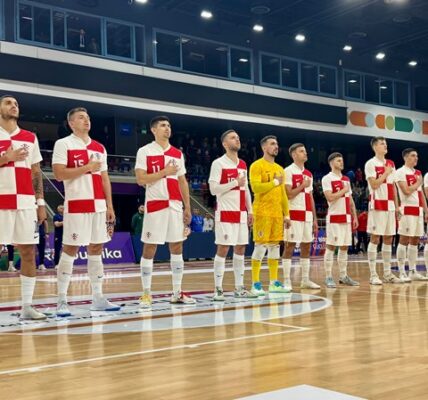

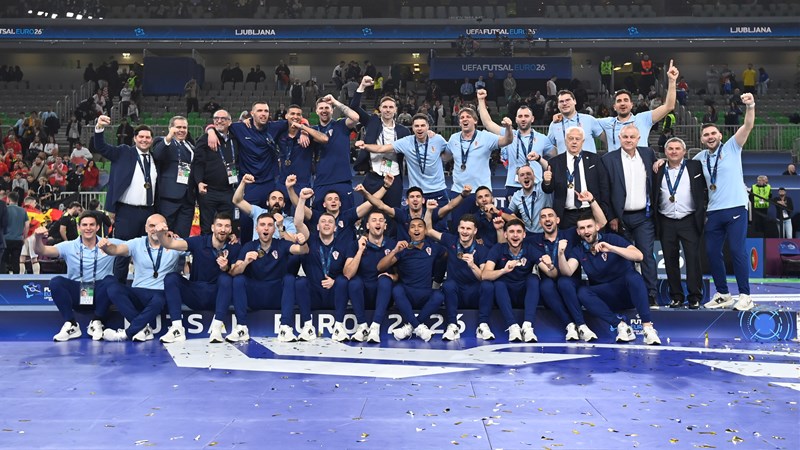

Croatia’s futsal national team made history at UEFA Futsal EURO 2026 by winning its first European medal, and in the days after the match the players and coaching staff spoke openly about their emotions, togetherness, and the journey that brought them to that moment.

In its article, the Croatian Football Federation describes the bronze as an achievement that, in their case, “truly shines”—not only because of the result, but also because of what the team has become: modest, united, witty, and brave—a side that wins through character as much as through performance. It especially highlights that the whole story unfolded like an adventure that started in Prelog, continued through Riga and Kaunas, and reached its peak in Ljubljana.
One of the most striking details described is the penalty shootout moment: when a French taker’s miss flew high into the stands at Arena Stožice, tears of relief and pride followed—symbolising everything they had been through to reach the medal.
The HNS piece also vividly describes the group’s internal identity: until yesterday, they were “known by nicknames within small circles,” but after the bronze they became names that will remain written into the history of Croatian futsal. The emphasis is that this is not a “glamorous” national team used to the spotlight, but a group that feels most at home in its own rhythm—on the bus, in inside jokes, and in a spontaneous atmosphere that connected them even more.
In the second text, dedicated to reactions, captain Franco Jelovčić says shock and happiness were swirling in his head and that it was hard to find the right words immediately, but he stresses two things: how futsal is a “last-second sport,” and how calm and precise the team was in the shootout. He speaks especially emotionally about the fact that, after many years of his career, he had won his first European medal—and that his closest family and friends were in the stands.
One of the “small but big” moments was also a banner reading “Captain, stay,” to which the captain replied in his own style—briefly and humorously—saying he would think about it.

Luka Perić emphasises that the medal did not come by chance: he thanks the fans who stayed with the team even after the semi-final and says third place was deserved. He also mentions the quality of the opposition (players from top clubs) and concludes that in matches like these every small mistake gets punished—but, in his view, Croatia managed to “reset,” clear their heads, and take what they came for.
Head coach Marinko Mavrović describes how psychologically difficult it was to concede a goal seven seconds from the end, but it was precisely in that situation that he highlights the team’s maturity: at one moment the captain calmed the group, and he also mentions the message that, for the people in the stands, composure had to be maintained. As the key to success, he points to long-term team-building and a willingness to “sacrifice,” along with the feeling that the squad believed from the start of the tournament that it could achieve something great.
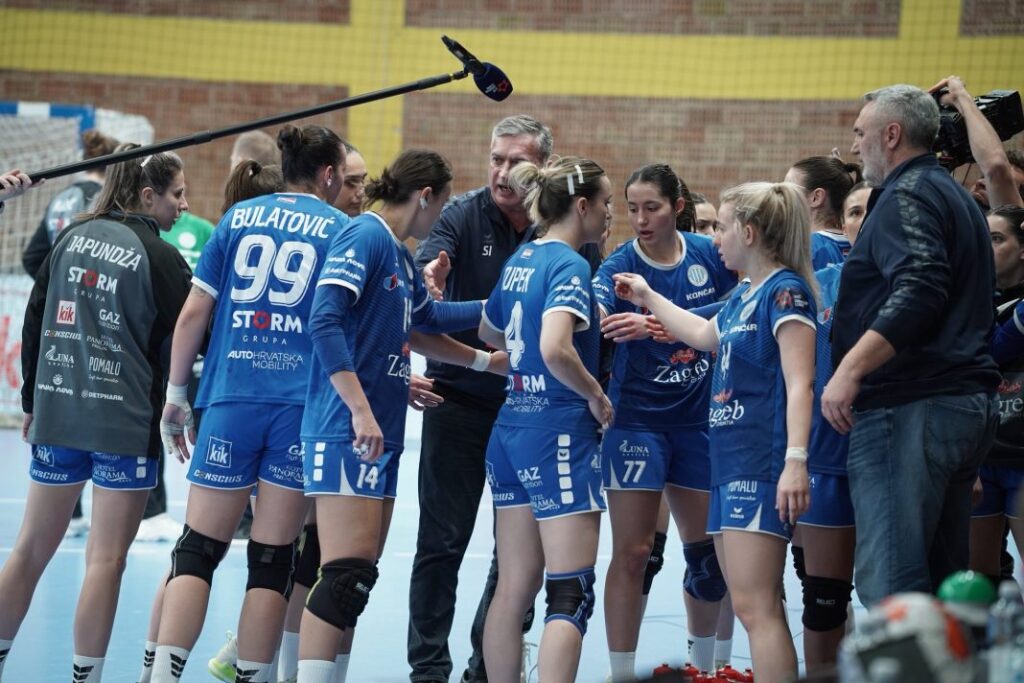
EHF EUROPEAN LEAGUE: LOKOMOTIVA LOSE, QUALIFICATION STILL UNCERTAIN
The women’s team of Lokomotiva Zagreb were defeated by Oldenburg (28:29) in the 5th round…
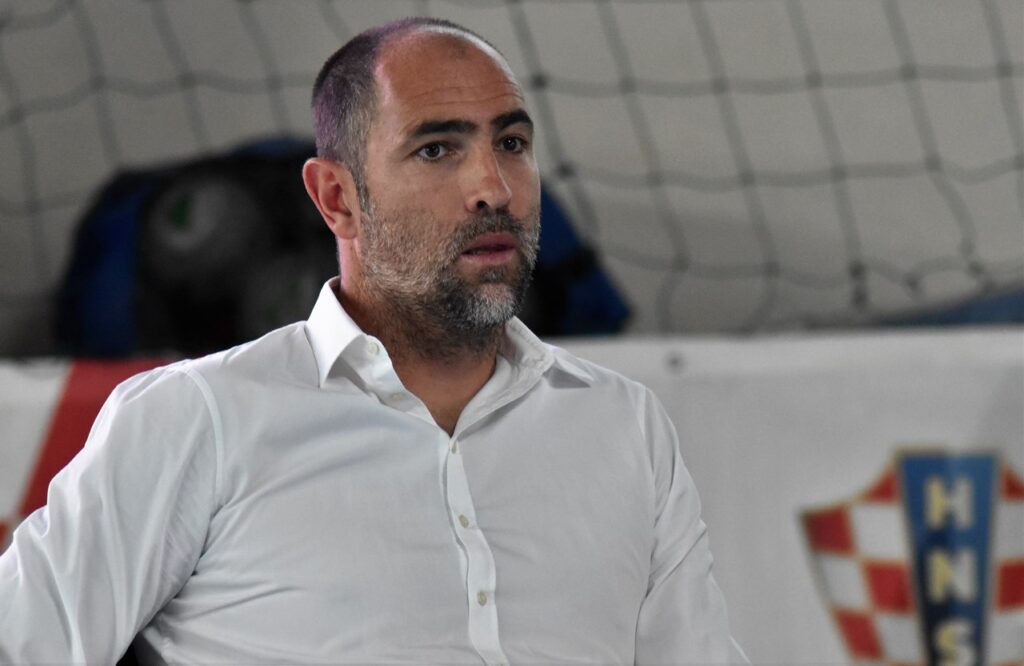
TUDOR ON TOTTENHAM BENCH: THE “FIRE-FIGHTER” GETS HIS TOUGHEST MISSION YET
Igor Tudor has taken over Tottenham at a moment when ambitions in north London are…
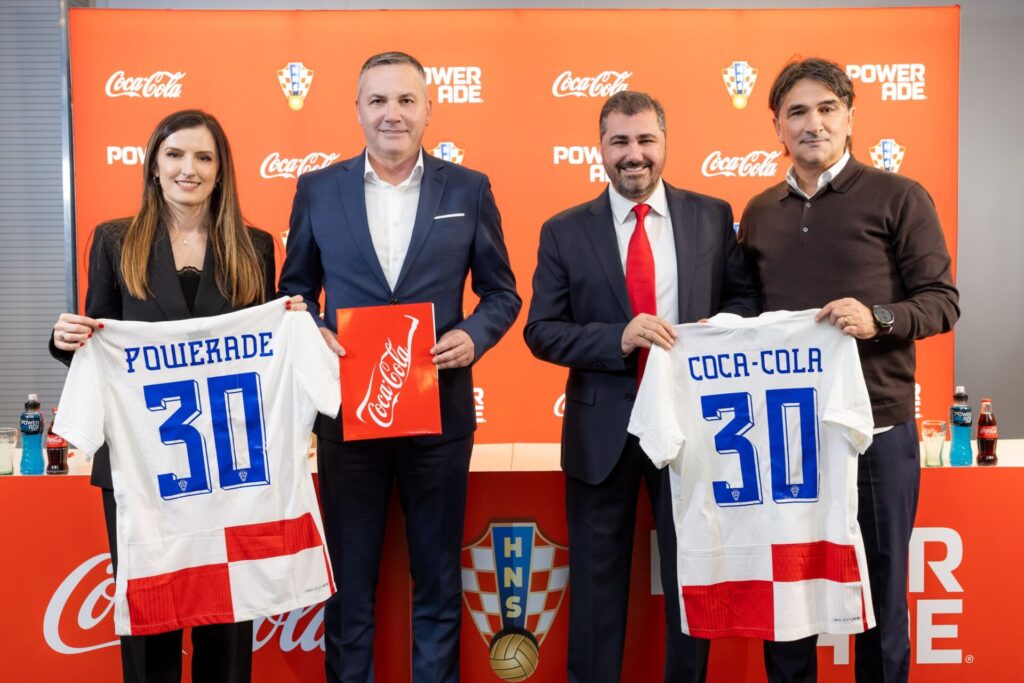
COCA-COLA NEW PARTNER OF THE CROATIAN FOOTBALL FEDERATION
One of the world’s most renowned brands becomes a partner of the Croatian national football…
SCHEDULE CONFIRMED FOR THE CROATIA’SNATIONS LEAGUE MATCHES
The schedule has been confirmed for the Croatian national football team’s matches in the fifth…
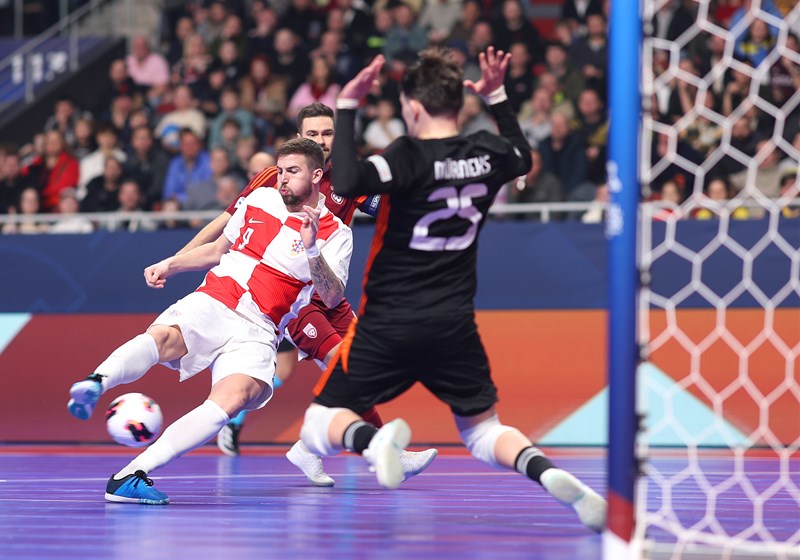
GOAL BY LUKA PERIĆ AGAINST LATVIA VOTED THE BEST AT THE EURO BY FANS
Croatian Football Federation reports that the goal scored by Luka Perić in the match against…
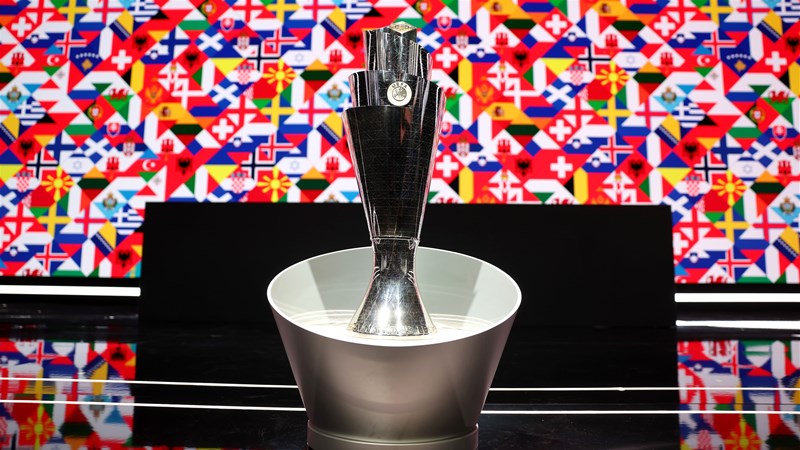
CROATIA DRAWN WITH SPAIN, ENGLAND AND THE CZECH REPUBLIC
The Croatia national football team will play in Group 3 of League A in the…