
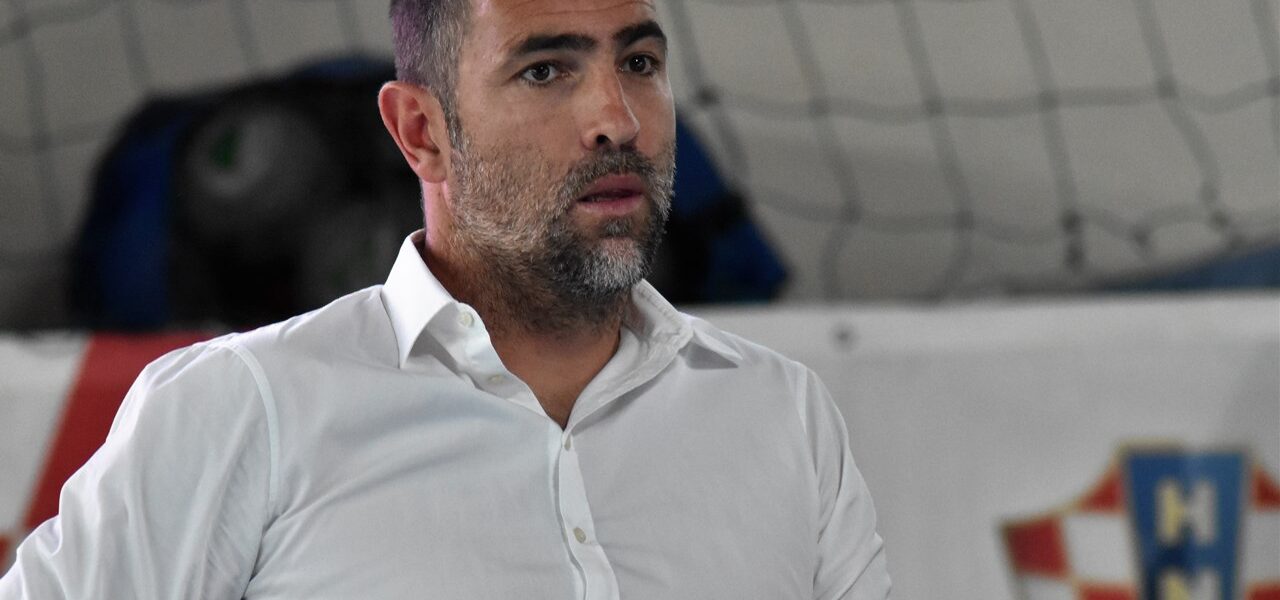

Igor Tudor has taken over Tottenham at a moment when ambitions in north London are no longer being measured in dreams, but in points and survival. As the Croatian Football Federation announced, the former Croatia international and once a member of the national team’s coaching staff is taking charge after the club ended its collaboration with the previous coach, Thomas Frank. His debut is set for 22 February — in a local derby against Arsenal.

Reports along the same lines were also carried by Reuters: Tudor has been appointed as an interim solution until the end of the season, at a time when the club is only a few points above the Premier League relegation zone. He is expected to take up the role formally once administrative details are completed.
In the statements carried by domestic media, the emphasis is clear: Tottenham want a rapid change in energy and results. The reports cite the club’s view that Tudor brings “clarity, intensity and experience in difficult moments,” a sentiment linked to sporting director Johan Lange.
On the other side, Tudor’s message sounds like a classic reset: the focus is on stabilisation, more consistent performances, and competitive character from match to match.
The Guardian describes Tudor as a kind of “ferryman” — a coach who often arrives mid-season to guide a team through its most critical period. In that context, it notes a series of short but intense spells in which he has managed to quickly raise aggression, order and results, with his trademark high pressing and strong tactical discipline (with influences from Gian Piero Gasperini’s school).
Domestic analyses are even more direct: Tudor comes to Tottenham with the label of a “fixer,” a coach who rarely stays long but often makes a fast impact when it’s most needed.

One of the most concrete topics in the reports is the system. It is noted that Tudor often favours a 3-4-2-1, which without the ball can easily drop into a 5-2-3, with two advanced players behind the striker pressing the build-up and looking for space between the lines. It’s a style fans usually like because it “looks brave,” but it demands fitness and discipline — especially in a league with the tempo of the Premier League.
Some supporters have greeted the appointment with a degree of doubt. In the British media space (with references to the BBC), there’s a sense many expected a “more glamorous” name, while others argue he deserves a chance — particularly because he has worked in similar crises. In short: nervousness dominates, but so does hope that this kind of profile can quickly “shake up” the dressing room.
In the broader context, Tudor brings experience from clubs with very different cultures and pressures — from Hajduk to Juventus, Lazio, Marseille and Galatasaray, as well as spells at clubs such as Udinese and Verona.
Reuters also highlights a practical detail: Tudor already knows part of the squad from earlier days, including Dejan Kulusevski and Rodrigo Bentancur, which could help his ideas “stick” more quickly.
In this job it always comes down to the same test: the first two weeks and the first two matches. Tudor inherits Tottenham at a moment when every point is worth its weight in gold, and the schedule offers no “easy entry.” The Croatian FA even announces his debut in the hardest possible setting — the derby with Arsenal — meaning the story of “saviour” or “mistake” will start being written almost immediately.
If he manages to deliver stability, raise the intensity and restore belief in the dressing room, Tudor could shift the narrative from “fire-fighter” to a coach who finally gets something bigger than a temporary mandate. If not, Tottenham will — as so many times before — search for a new face to solve the same problem.
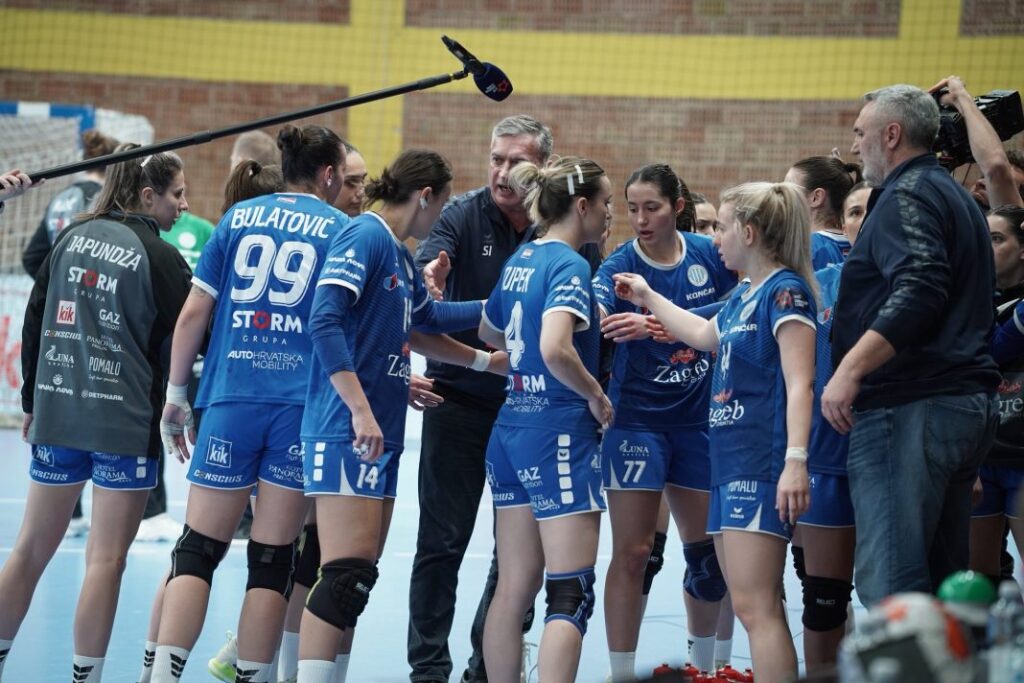
EHF EUROPEAN LEAGUE: LOKOMOTIVA LOSE, QUALIFICATION STILL UNCERTAIN
The women’s team of Lokomotiva Zagreb were defeated by Oldenburg (28:29) in the 5th round…
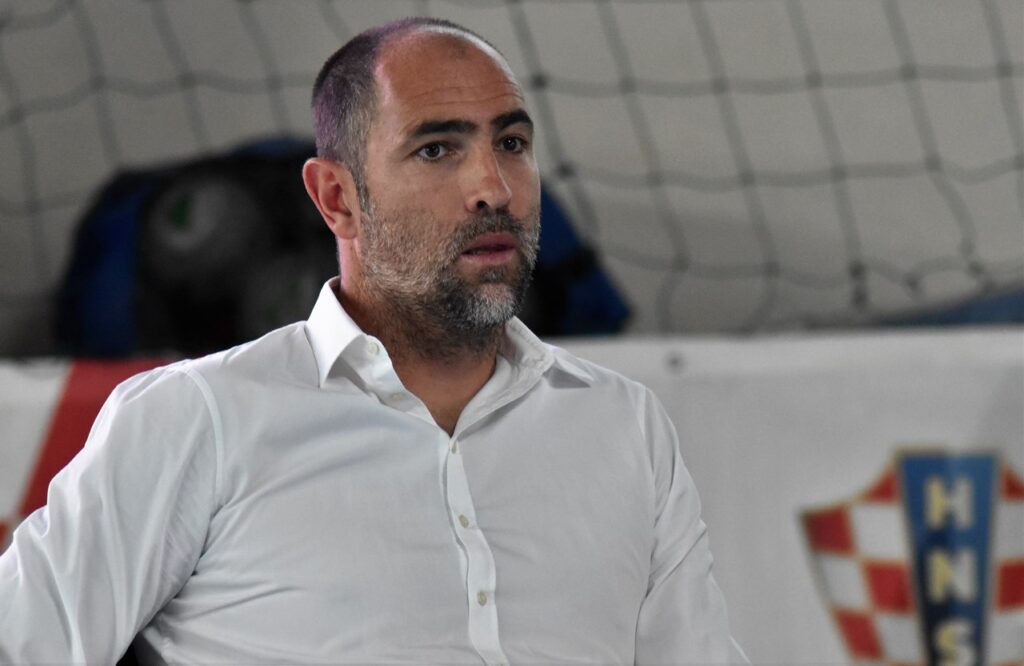
TUDOR ON TOTTENHAM BENCH: THE “FIRE-FIGHTER” GETS HIS TOUGHEST MISSION YET
Igor Tudor has taken over Tottenham at a moment when ambitions in north London are…
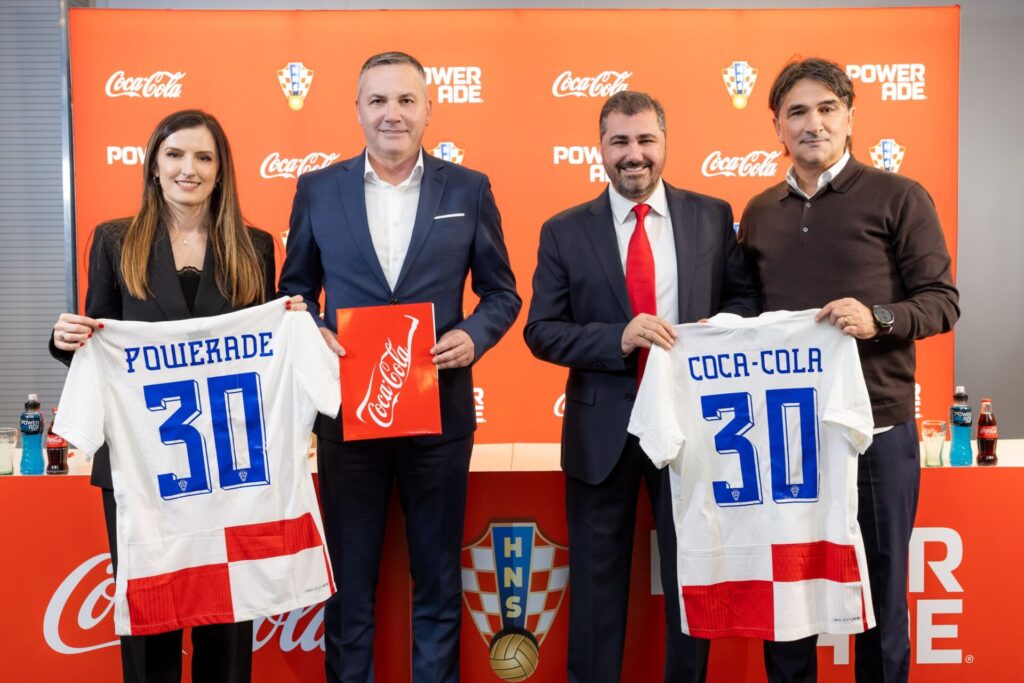
COCA-COLA NEW PARTNER OF THE CROATIAN FOOTBALL FEDERATION
One of the world’s most renowned brands becomes a partner of the Croatian national football…
SCHEDULE CONFIRMED FOR THE CROATIA’SNATIONS LEAGUE MATCHES
The schedule has been confirmed for the Croatian national football team’s matches in the fifth…
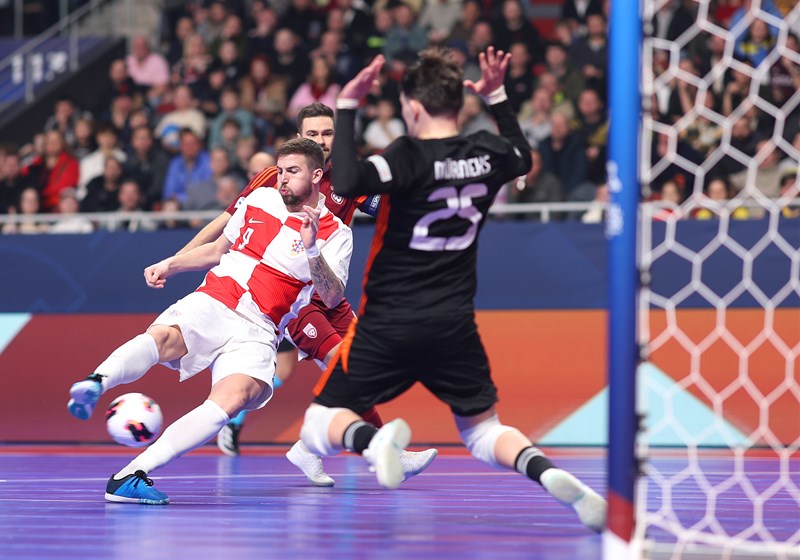
GOAL BY LUKA PERIĆ AGAINST LATVIA VOTED THE BEST AT THE EURO BY FANS
Croatian Football Federation reports that the goal scored by Luka Perić in the match against…
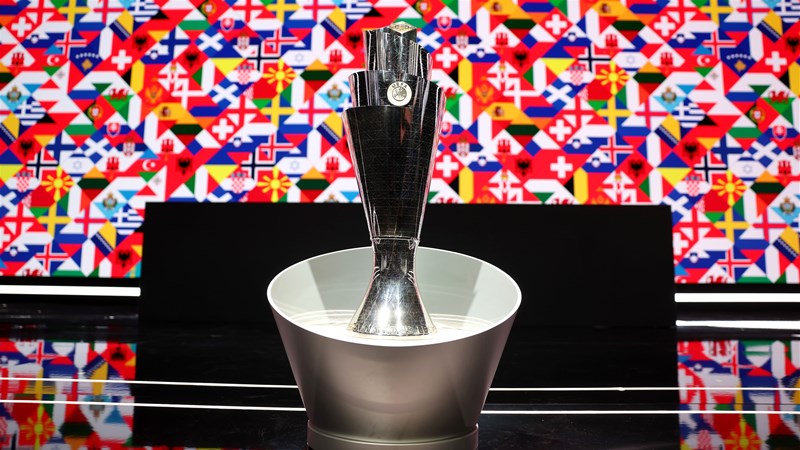
CROATIA DRAWN WITH SPAIN, ENGLAND AND THE CZECH REPUBLIC
The Croatia national football team will play in Group 3 of League A in the…